Vale Recycling Rules Explained: What Goes in Each Bin and What to Leave Out
Recycling in the Vale is simple enough once you know which bin takes what — but the quickest way to undo a week of good habits is one bag in the wrong container. Contamination is the reason loads get turned away, and it usually comes from a small handful of items people assume are recyclable. Here is a bin-by-bin guide, plus the mistakes that trip up most households.
The rule that matters most: keep the streams clean
Your recycling is sorted at a materials recovery facility, where a mix of machines and people pull apart whatever you put out. Anything that doesn't belong slows the line down, and a badly contaminated load can be rejected and sent for disposal instead. The goal isn't perfection — it's keeping the obvious wrong things out and making sure everything arrives loose, clean and dry.
Two habits cover most of it. Rinse anything that held food or drink, and never put recycling inside a carrier bag. Bags either get ripped open at the plant or pulled off the line entire, and their contents go to waste along with them.
Your general waste bin
This is the bin for things that genuinely can't be recycled at the kerbside. It tolerates bags, so use them if you prefer.
- Nappies and wet wipes
- Used tissues and kitchen roll
- Broken crockery and Pyrex, wrapped in newspaper
- Polystyrene, black plastic trays and film lids
- Crisp packets, pet food pouches and other soft laminated packaging
- Cling film and bubble wrap
- Cat litter and pet waste, bagged
Never put batteries, vapes, electrical items, hot ashes or liquid in any bin. Batteries and vapes are a real fire risk inside collection vehicles and at waste plants, and they need a separate drop-off point — most supermarkets have one near the entrance.
Mixed recycling: the reliable yeses
If you remember one thing about this bin, make it this: empty, rinsed and loose. Beyond that, the following almost always belong here.
- Paper and card, including flattened boxes and envelopes with windows
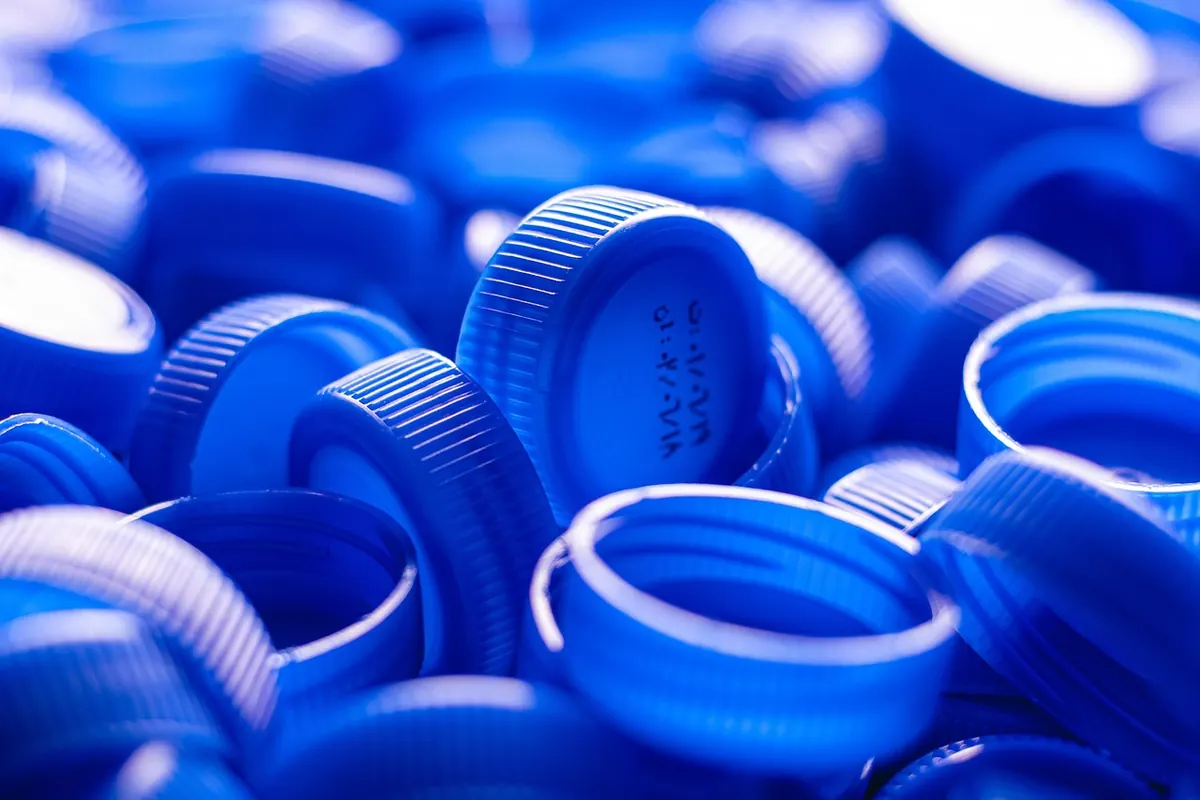
- Plastic bottles — rinsed, squashed, lid on if your round accepts it
- Pots, tubs and trays in clear or natural plastic
- Tins, cans, empty aerosols and clean foil
- Glass bottles and jars, where glass goes in your mixed container; some rounds ask for it separately
The items people wrongly add
Crisp packets and pouches, cling film, toothpaste tubes, blister packs, plastic toys, wallpaper, and shredded paper are the usual suspects. Shredded paper is worth checking with your council — some rounds take it, many don't, because the short fibres clog sorting equipment.
Pyrex, drinking glasses, mirrors, window glass and light bulbs cause the most damage. They look like glass, so they feel like a safe bet, but they melt at a different temperature and can spoil a whole batch of bottles and jars. Wrap them and put them in the general waste.
Food waste caddies
Food collections take far more than peelings. Cooked and raw meat and fish, bones, eggshells, plate scrapings, tea bags, coffee grounds, dairy and out-of-date food all break down happily — just take it out of the packaging first.
What doesn't belong: any packaging, pet waste, nappies, and large amounts of liquid. Tea bags with plastic in them are a common grey area, so check your council's list if you're unsure.
A couple of habits make the caddy bearable. Keep the small kitchen one in the fridge or freezer, use liners your council accepts, and empty it into the outside caddy every couple of days in warm weather.
Garden waste
Where garden collections run as a paid subscription, the bin is usually only emptied if the subscription is active, so check your sticker or renewal date before you fill it. Only garden material belongs inside: grass cuttings, leaves, hedge trimmings, prunings, weeds, spent flowers and small branches.
Soil, stones, rubble, plant pots, plastic bags, timber and animal waste should stay out. A bin with soil in the bottom is heavy and often rejected, and plastic pots aren't the same material as plant waste even when they've held it.
Glass, textiles and the awkward in-between
Bottles and jars are excellent recycling when they're rinsed with the lids off. Flat glass isn't. Textiles are worth separating too — many areas run a clothing collection, and charity banks take wearable items and often rags as well, as long as they're clean and dry. Old towels and single socks still have a use in textile recycling, but only where the scheme says it accepts them.
Small electricals, cables, chargers and broken kettles should go to a household waste recycling centre or a shop take-back point. Tempting as it is, they don't belong in any kerbside bin.
Collection day reminders
- Put bins out the evening before, or by the stated morning time — often 7am, and crews can arrive early.
- Present bins with the handles facing the road so the crew can wheel them easily.
- Keep the lid closed. Extra bags left beside a bin are frequently not collected.
- In windy weather, wait until the morning where you can, or weigh the lid down; loose paper escapes fast.
- Bank holidays usually shift collections by a day or two, so check the calendar rather than assuming.
- If your bin isn't emptied, look for a tag or sticker — it normally tells you exactly what the problem was.
When in doubt, leave it out
If you're staring at an item and genuinely can't decide, the general waste bin is the safer choice. One wrong item in the recycling does more harm than one recyclable item in the rubbish, and it saves a round that could otherwise be rejected.
Rules differ slightly between rounds and are updated from time to time, so keep your council's bin checker saved on your phone and use it for anything unfamiliar. A quick check before you put the bins out is the easiest way to get it right — and to keep the Vale's recycling actually being recycled.
Photo: sadeghshafiee91 / Pixabay