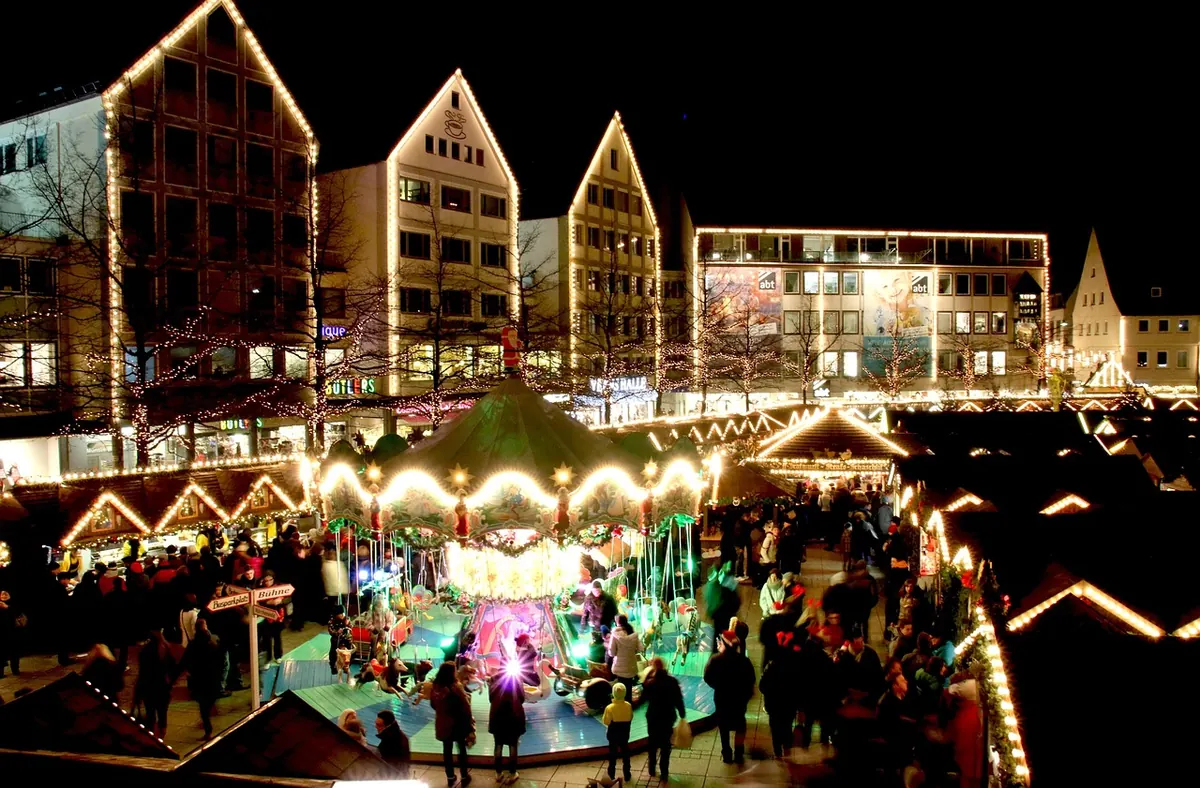
Vale Christmas Lights Switch-Ons: A Family Planner for Late November
By the last fortnight of November, the Vale starts to look like it means it. Strings of bulbs get tested at dusk, a small stage appears on the square, and somebody's dad is tapping a microphone. Switch-on nights are among the friendliest evenings of the year, and also among the easiest to get wrong if you arrive at five o'clock with tired children and nowhere to park. Here is how to check dates, time your arrival, park sensibly and find a spot that works for pushchairs, wheelchairs and small people who run out of patience by six.
Confirm the date before you promise anyone anything
Switch-ons across the Vale cluster tightly into the last two weekends of November, with a few villages holding theirs on the first Saturday of December. Most fall on a Friday evening, a good number on a Saturday afternoon into early evening, and a handful on a Sunday afternoon for younger families who need to be home by teatime.
Dates are confirmed in the same few places every year: your town or community council website, the county council's events listings, parish noticeboards, the library, and the local Facebook groups where someone always posts a poster within an hour of it going up. Shop windows on the high street are reliable too, and often the first to display the running order.
If two events clash, choose on logistics rather than loyalty. A smaller village green with parking on three sides will usually be gentler than a town-centre square with a one-way system and a single multi-storey.
How a switch-on evening usually runs
The shape is fairly predictable. Stalls and food vans open from around half past three or four. School choirs, brass bands and dance groups fill the stage from about half four. The countdown tends to land somewhere between half five and half six, the lights come on, and a short firework display sometimes follows around seven.
That gives you two useful strategies. Arrive forty-five minutes early for a decent sightline and a slow wander round the stalls. Or arrive at the last minute, stand at the back, and be walking to the car while everyone else is still clapping. Both work. What rarely works is arriving at ten past five expecting to find a gap at the front.
Parking: leave the high street to the pedestrians
Almost every switch-on involves a rolling road closure, so the usual kerbside spaces vanish just as demand peaks. Plan for a ten-minute walk and the evening becomes much calmer.
- Use the proper car parks. Town and parish car parks fill by mid-afternoon on switch-on day. Arriving before four is the single biggest favour you can do yourself.
- Park and walk. Leisure centres, supermarkets that allow evening parking, and side streets a quarter of a mile out are usually the quickest option, especially for getting away afterwards.
- Never block a driveway, pavement or dropped kerb. Residents put up with a lot on switch-on night; blocking their access is the thing most likely to get a car ticketed or towed, and it makes the evening worse for everyone.
- Check bus routes. Diversions on the night are common, so if you are relying on the bus, look at the operator's website earlier the same day rather than turning up at a stop that has been moved.
- Blue Badge holders: bays near the event go early. Ask the organisers in advance whether a designated area has been arranged, and if not, aim for the nearest car park with level access to the square.
Accessible viewing spots that actually work
The best spot is rarely the front row. It is the one you can reach without being buffeted and leave without waiting for the crowd to drain away.
Wheelchairs and limited mobility
Look for the raised pavement on the approach to the square, or a side street with a clear sightline to the tree or stage. Many organisers mark a viewing area near the stage — worth asking a steward in a high-vis jacket, who will usually know exactly where it is. Churchyard paths and library forecourts often give a slightly elevated view with a wall to lean on.
Sensory needs
Stand well back from the speakers, which are usually stacked either side of the stage, and away from the fireworks if they are part of the evening. The side of a square is quieter than the middle, and a pair of ear defenders in a coat pocket costs nothing and rescues the night. If a child needs to leave suddenly, position yourself near an exit route rather than in the thick of it.
Pushchairs and toddlers
Stay at the edges, use the pavement rather than the road, and keep the pushchair brake on when you stop. Toddlers see very little in a crowd, so a spot on a low wall or a buggy with a higher seat beats fighting for the front.
A family timetable for switch-on night
- Early afternoon: check the road closures and pick your car park on a map.
- Half past three: leave home with a flask and a torch. Traffic builds quickly from four.
- Four o'clock: park, walk in, buy something warm while the queues are short.
- Half four to five: watch the choirs, wander the stalls, use the toilets before the interval rush.
- Five o'clock: claim your viewing spot and settle. This is when the crowd thickens noticeably.
- Countdown: lights on, a few photographs, then decide whether you are staying for fireworks or heading for the car.
What to bring, and what to leave behind
- Layers, hats and gloves — standing still in late November is far colder than walking.
- A flask and a couple of snacks, so you are not hostage to a fifteen-minute queue for chips.
- A small torch for the walk back to the car.
- Some cash. Most stalls now take cards, but the smaller ones often do not, particularly the school and charity tables.
- A wristband or card with a parent's phone number for younger children, and an agreed meeting point in case you get separated.
- Leave the dog at home. Crowds, loudspeakers and dropped food make for a miserable evening for most dogs.
Your five-minute plan for this week
Check your local council or community council website for the confirmed date and any road closures. Mark the car park you intend to use, and note a second choice in case it is full. Confirm whether the event has a designated accessible viewing area by asking the organisers directly — a quick email or a message on their page usually gets a clear answer. Then write the plan down and tell the children what time you are leaving, because the countdown to the countdown is half the fun.
Wrap up warm, arrive early if you want the front, and if the little ones fade before the lights come on, remember that the switch-on happens every year. A calm exit at half five beats a meltdown at six.
Photo: moerschy / Pixabay