How to Run a Successful Village Hall Quiz Night: A Committee Checklist
A well-run quiz night is one of the most reliable fundraisers a village hall can host. Twenty teams, a decent raffle, a hot supper at half time and a room full of people convinced they know more than their neighbours: it works almost anywhere, provided somebody does the unglamorous planning first. This checklist walks through the whole job, from booking the hall to counting the takings.
Start with a date, a format and one person in charge
Agree the date before anything else, and check it against everything else in the village calendar — the school fair, the cricket club dinner, a big match that will keep half your regulars at home. Avoid the first week of the school holidays. Some halls are booked months ahead, so confirm the room first and build the rest around it.
Put one person in charge. Committees are excellent at spreading work and terrible at making quick decisions on the night. A quizmaster who can read a room matters more than one who knows every answer; the job is to keep things moving and keep the jokes short.
A shape that works
- Doors open at 7pm; teams seated by 7.45pm
- Eight rounds of ten questions, with a picture round and a music round to break up the talking
- A 25-minute break at half time for food and the raffle
- Final scores, tie-breaker and prizes wrapped up by about 10.30pm
- Hall clear and locked by 11pm
Sort the hall, the paperwork and the money
Ask the trustees what the hall already has in place. Many village halls hold a premises licence, a music licence and public liability insurance that covers hirers — but not all do, and the details vary from hall to hall. If you intend to sell alcohol, check whether the existing licence covers your event or whether you need to apply to the council for permission. Licensing rules differ across England, Scotland and Wales, and deadlines are not flexible, so raise it early with the hall committee and your local authority's licensing team. If the sums involved are significant, it is worth taking proper advice.
Music between rounds is usually covered by the hall's music licence, but check before you plug in a laptop. If you sell raffle tickets in advance rather than on the night, the rules change — ask the council if you are unsure.
Money needs two pairs of eyes. Appoint a treasurer for the evening, keep a float of small notes and coins, and count the takings with a witness before you leave the building. If you take card payments, test the signal in the hall beforehand; rural halls are not always generous with mobile reception.
Write questions people can actually answer
Mix the difficulty
A good quiz has a spread. Most teams should get seven or eight out of ten in a round, with two or three questions that separate the leaders. Questions only one person in the room could possibly know are not clever; they are just dull. A local round is usually the most popular of the night: village landmarks, former pubs, the names of fields, who taught at the school. Everyone has half a chance, and the arguments are better.
Check everything twice
Have two people write and check the questions independently, then read them aloud in the empty hall to catch clumsy wording and answers that could reasonably be two things. Have a tie-breaker ready — a question with a numerical answer works best. Print the picture rounds and answer sheets in advance, and count them out the night before.
Prizes, raffle and the small extras
Prizes do not need to be expensive. A bottle of wine, a box of chocolates, a voucher from the village shop and a wooden spoon for the losing team will do the job. Ask local businesses for raffle donations and thank them on the night and in your next newsletter; that is what keeps them donating the year after.
Food is what lifts a quiz night above a pub quiz. Pie and peas, jacket potatoes or a bring-and-share pudding all work. If you are handling hot food, keep it simple, keep it hot, keep it covered, and make sure someone on the team is confident about basic food hygiene. Bring-your-own drink, with soft drinks and tea sold at the hatch, is usually the simplest arrangement.
Publicity that fills the room
Start four to six weeks out, and use more than one channel. A poster on the noticeboard reaches the people who already come; a message in the school WhatsApp group reaches the people who don't. Warm invitations beat advertising every time — ask each committee member to bring a team of their own.
- Parish magazine and village newsletter, with the copy deadline checked
- Local Facebook groups, community WhatsApp chats and the hall's own mailing list
- Posters in the shop, the pub, the post office and at the school gates
- A short listing giving date, start time, venue, cost per team, how to book and whether drink is available
- Pre-booking, so you know how many chairs to put out and how much food to prepare
On the night
- Two people on the door with a booking list, a float and change
- Hand out answer sheets and pens, and keep a box of spares behind the desk
- Brief the quizmaster on pace, volume and not giving away answers mid-round
- Collect sheets after each round and send them to a quiet back room for marking
- Have one person adjudicate any disputed answer immediately, not at the end
- Draw the raffle during the break and read out the winning numbers clearly, twice
- Announce scores round by round if the room enjoys it — some do, some don't
- Remind everyone to leave quietly if the hall has near neighbours
Two small things separate smooth from chaotic. Keep the marking team a round ahead of the quizmaster, so the results are ready the moment the last question is answered. And agree in advance how you will handle a challenge — a quick decision, a laugh, and on to the next question.
Afterwards, and planning the next one
Count the money with two people, pay the hall fee, settle any expenses, and write down what actually happened while it is fresh: how many came, which round went down best, how long the food took, how many raffle prizes were donated, what you ran out of. Keep the question sheets and the booking list in a folder for next time.
Then book the next one. A quiz night that runs twice a year builds a following; a one-off has to start from scratch every time. Thank the people who spent the evening marking sheets in a back room — they are the reason the rest of it worked. And check the hall is left as you found it, chairs stacked, kitchen clean, lights off, before anyone goes home.
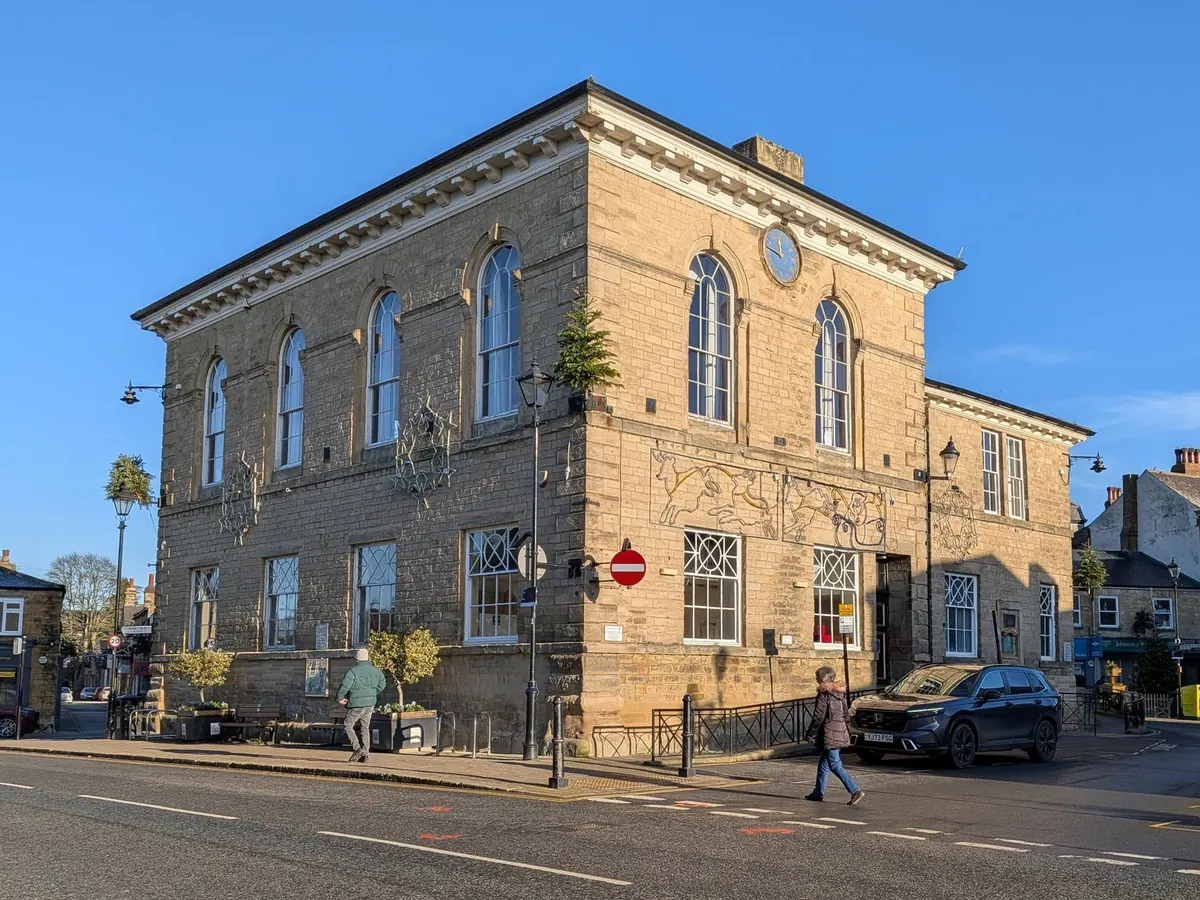
Photo: Mike Norris / Pexels